How to Plan the Ultimate Tanzania Safari Adventure in 2026 and Beyond
Posted in CategoryGeneral Discussion Posted in CategoryGeneral Discussion-
Ella Smith 4 months ago
Tanzania represents the final frontier of the wild, a land where the rhythm of life is dictated by the seasons and the ancient migrations of millions of animals. When you begin searching for a Tanzania safari, you are not just looking for a vacation; you are seeking a profound connection with the natural world that few other places on Earth can provide. From the endless plains of the Serengeti to the mist-shrouded heights of the Ngorongoro Crater, the diversity of ecosystems within this East African nation is staggering. This guide serves as your comprehensive roadmap to navigating the complexities of planning such a journey, ensuring that every moment spent in the bush is as impactful and seamless as possible.
Understanding the Geographic Layout of Your Tanzania Safari
The first step in organizing your travel involves understanding that Tanzania is divided into several distinct safari circuits, each offering a unique atmosphere and variety of wildlife. The Northern Circuit is the most famous, housing world-renowned destinations like the Serengeti National Park and Lake Manyara. This region is ideal for first-time visitors because the parks are relatively close together, minimizing travel time and maximizing your opportunities for wildlife sightings. Here, the density of predators and prey is among the highest in the world, making it almost a guarantee that you will witness the legendary Big Five during your stay.
In contrast, the Southern Circuit offers a more rugged and secluded experience. Parks such as Nyerere National Park, formerly known as Selous, and Ruaha National Park provide a sense of vastness and solitude that is hard to find in the more popular northern areas. The Southern Circuit is perfect for seasoned safari-goers who want to escape the crowds and engage in activities like walking safaris or boat trips along the Great Ruaha River. The Western Circuit is even more remote, home to Mahale Mountains and Katavi National Park, where you can trek through lush forests to find wild chimpanzees. Each of these regions requires a different approach to logistics, and your choice will largely depend on your interests and how much time you have available.
Navigating the Timing of the Great Wildebeest Migration
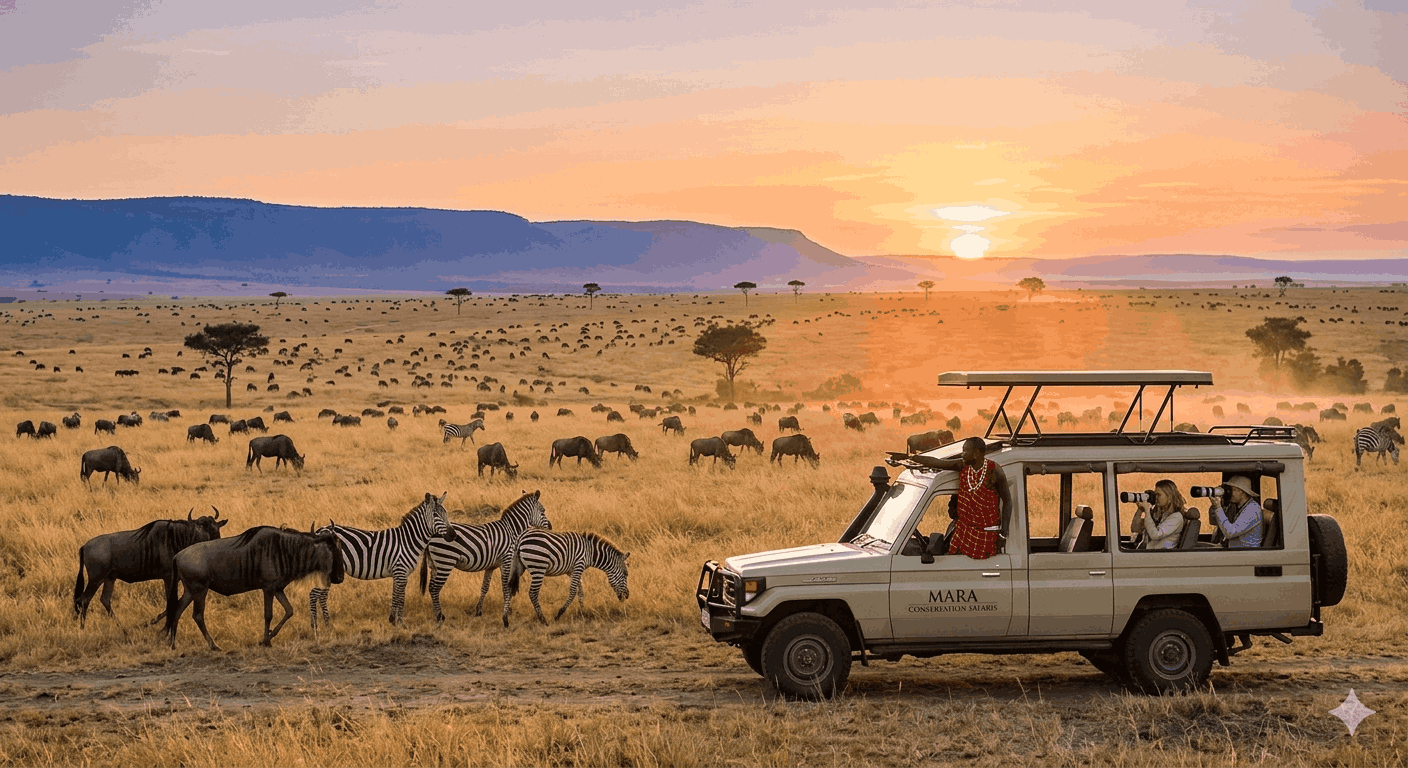
Perhaps the most significant draw for any Tanzania safari is the Great Wildebeest Migration. This is a circular journey of over two million wildebeest, zebras, and gazelles as they move through the Serengeti-Mara ecosystem in search of green pastures. Timing your visit to coincide with specific stages of the migration can define your entire experience. For instance, from January to March, the herds are typically in the southern Serengeti for the calving season. This is a period of high drama, as thousands of calves are born each day, attracting an incredible number of predators like lions, cheetahs, and hyenas.
As the rains end in May and June, the herds move north toward the Western Corridor, eventually reaching the Mara River by July and August. This is when the famous river crossings occur, where animals must brave crocodile-infested waters to reach the lush grass on the other side. This event is a spectacle of raw nature, but it also draws the largest number of tourists. If you prefer a quieter experience, the "green season" between November and May offers beautiful landscapes, excellent birdwatching, and lower prices at many lodges. According to Google News, recent trends in 2026 show a significant shift toward these shoulder seasons as travelers seek more "intentional" and less crowded encounters with nature.
Selecting the Right Style of Accommodation for Your Journey
The type of lodging you choose will fundamentally change the character of your Tanzania safari. Tanzania offers everything from mobile tented camps that follow the migration to ultra-luxury permanent lodges that provide every conceivable comfort. Mobile camps are excellent for those who want to be in the heart of the action; these camps move several times a year to stay near the herds, ensuring that you are always close to the wildlife. While they are "tents," they often feature en-suite bathrooms, comfortable beds, and high-quality cuisine, providing a perfect blend of adventure and comfort.
For those seeking a more permanent and luxurious base, the lodges in areas like the Ngorongoro Highlands or the private concessions of the Serengeti are world-class. These properties often feature infinity pools overlooking the plains, private decks, and personalized butler service. Forbes notes that the "quiet luxury" trend is dominating the safari market in 2026, with travelers prioritizing privacy, sustainability, and deep local connections over flashy displays of wealth. Regardless of your budget, the hospitality in Tanzania is legendary, with local staff often going above and beyond to share their culture and knowledge with guests.
How to Choose the Best National Parks for a Tanzania Safari Trip
When planning your itinerary, the sheer number of national parks can be overwhelming. To create a balanced and rewarding Tanzania safari, it is helpful to categorize the parks by what they offer. The Serengeti is the undisputed king of the northern circuit, but it is often paired with other parks to provide a more holistic view of the region's biodiversity. For example, Tarangire National Park is famous for its massive baobab trees and enormous elephant herds, which congregate around the Tarangire River during the dry season. It offers a different aesthetic from the open plains of the Serengeti and is a must-visit for elephant lovers.
The Ngorongoro Crater is another essential stop, often described as the "Eighth Wonder of the World." This massive, unbroken caldera acts as a natural enclosure for over 25,000 large animals. It is one of the best places in Africa to see the endangered black rhino in its natural habitat. However, because of its small size and immense popularity, it can become crowded with vehicles. Expert guides often recommend entering the crater as early as possible to enjoy the morning light and avoid the midday rush. By understanding the unique "personality" of each park, you can tailor your Tanzania safari to your specific wildlife interests.
Exploring the Hidden Gems of the Southern Circuit
While the north gets the lion's share of attention, the southern parks are the hidden gems of Tanzania. Nyerere National Park is one of the largest protected areas in Africa and offers a variety of habitats, including wetlands, lakes, and rivers. This allows for boat safaris, a unique way to see hippos, crocodiles, and water birds from a different perspective. The lack of crowds in Nyerere means you can often spend hours with a pride of lions or a pack of African wild dogs without another vehicle in sight. This sense of exclusivity is a major draw for photographers and nature enthusiasts.
Ruaha National Park is another southern highlight, characterized by its rugged terrain and ancient baobabs. It holds a significant portion of the world's lion population and is famous for its large buffalo herds. The park is more arid than Nyerere, offering a starkly beautiful landscape that feels truly wild. Exploring these parks requires a bit more effort in terms of logistics—usually involving small bush planes—but the reward is a Tanzania safari that feels like an authentic expedition into the unknown. For technical definitions of these ecosystems and the classifications of protected areas, Wikipedia remains a reliable resource for researchers and students of ecology.
Maximizing Your Experience with Expert Guiding and Logistics
The quality of your guide is perhaps the most important factor in the success of your Tanzania safari. A great guide is not just a driver; they are a tracker, a naturalist, a storyteller, and a cultural ambassador. They know the subtle signs of the bush, from the alarm call of a bird to the scent of a fresh kill. In Tanzania, many guides undergo rigorous training and have years of experience navigating the parks. When booking your safari, it is worth inquiring about the experience level of the guides and whether you will have a private vehicle or be sharing with other guests.
Logistics in Tanzania can be complex, especially when moving between different regions. Most safaris begin in Arusha, a bustling town at the base of Mount Meru that serves as the gateway to the Northern Circuit. From here, you can choose to travel by road in a 4x4 safari vehicle or take "fly-in" safaris using the network of airstrips located within the parks. Flying saves time and offers incredible aerial views of the landscape, but traveling by road allows you to see more of the local villages and the changing scenery. A well-planned Tanzania safari often combines both methods to give you the best of both worlds.
How to Prepare for the Practical Aspects of Your Tanzania Safari
Preparation is key to enjoying your time in the bush without unnecessary stress. This includes everything from health precautions to packing the right gear. Tanzania is a malaria-endemic region, so it is essential to consult a travel clinic well in advance of your trip to obtain the necessary prophylactics. You will also need to ensure your routine vaccinations are up to date and check if a Yellow Fever certificate is required based on your travel history. Health is a priority, and being prepared allows you to focus on the animals rather than your well-being.
Packing for a Tanzania safari requires a "less is more" approach, especially if you are taking internal flights with strict luggage weight limits. The key is to pack layers of neutral-colored clothing—khaki, tan, and olive are best for blending into the environment. Avoid bright colors that can distract animals and dark blue or black, which can attract tsetse flies in certain areas. Essential items include a high-quality pair of binoculars, a wide-brimmed hat, plenty of sunscreen, and a good camera with a zoom lens. Even in the heat of the day, early morning and late evening game drives can be surprisingly chilly, so a light fleece or windbreaker is a necessity.
Understanding the Importance of Conservation and Community
A modern Tanzania safari is deeply intertwined with conservation and community development. Many of the lodges and tour operators you will encounter are actively involved in protecting the ecosystems they operate in. This includes anti-poaching initiatives, habitat restoration, and supporting local schools and health clinics. When you choose an ethical safari provider, a portion of your travel spend goes directly toward these efforts. Engaging with local communities, such as the Maasai or the Hadzabe, should be done with respect and through organized visits that ensure the community benefits from the interaction.
Sustainability is no longer just a buzzword; it is a core component of the Tanzanian tourism model. From solar-powered lodges to plastic-free initiatives, the industry is moving toward a more regenerative approach. As a traveler, you can contribute by following the "leave no trace" principles, respecting wildlife boundaries, and being mindful of your water and energy consumption. Your Tanzania safari can be a force for good, helping to preserve these incredible landscapes for future generations while providing meaningful employment for the people who call them home.
Conclusion
The allure of a Tanzania safari lies in its ability to strip away the distractions of modern life and return you to a state of wonder. Whether you are watching a lioness hunt on the plains of the Serengeti or sharing a quiet moment with an elephant in Tarangire, the experience is transformative. By choosing the right circuit, timing your visit carefully, and selecting accommodations that align with your values, you can create a journey that is both thrilling and deeply restorative. Tanzania is not just a destination; it is an experience that stays with you long after the dust has settled on your safari boots.