How Does Seal Durability in Cold Storage Affect Long-Term Performance and Protection?
Posted in CategoryGeneral Discussion Posted in CategoryGeneral Discussion-
Gxn 360 1 day ago
Seal durability in cold storage is an important factor in maintaining temperature stability, protecting stored products, and improving the overall efficiency of refrigeration systems. Cold storage facilities operate under demanding environmental conditions where temperature fluctuations, moisture, frost, and continuous equipment use can affect the performance of sealing materials. Whether used in cold rooms, refrigerated warehouses, freezer doors, or industrial refrigeration equipment, high-quality seals help prevent unwanted air exchange and maintain a controlled internal environment.
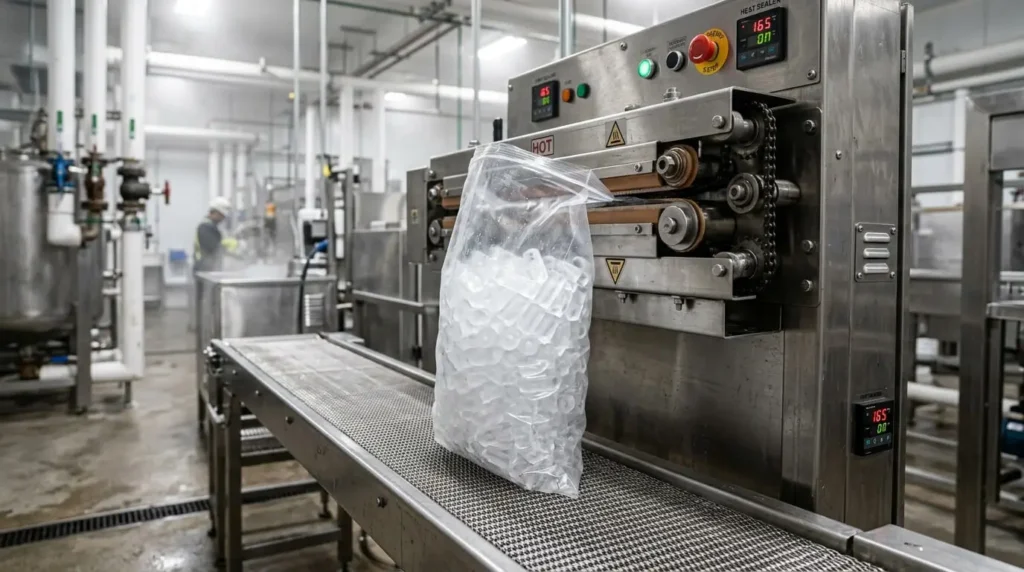
Cold storage doors require reliable sealing solutions because even small gaps can allow warm air to enter and cold air to escape. This increases the workload on refrigeration systems and can lead to higher energy consumption. Durable seals create a protective barrier between different temperature zones, helping facilities maintain consistent cooling conditions. Their performance is particularly important in food processing plants, pharmaceutical storage facilities, supermarkets, and distribution centers where temperature control directly affects product quality.
The materials used in cold storage seals also play an important role in their long-term performance. Rubber, silicone, EPDM, and other specialized sealing materials are commonly selected according to operating temperatures and environmental requirements. Each material offers different levels of flexibility, resistance to moisture, and protection against environmental stress. Choosing an appropriate sealing material helps reduce premature wear and supports reliable refrigeration performance.
Factors Affecting Seal Durability in Cold Storage
Several environmental and operational conditions influence seal durability in cold storage environments. Extremely low temperatures can cause certain materials to become stiff or lose flexibility. When seals cannot maintain their original elasticity, they may struggle to create proper contact with surrounding surfaces. Over time, repeated opening and closing of cold storage doors can increase mechanical stress, leading to cracks, deformation, or reduced sealing effectiveness.
Temperature changes are another important consideration. Cold storage facilities often experience differences between internal and external temperatures, particularly around frequently used entrances. These temperature variations can affect sealing materials and contribute to condensation or frost formation. When moisture accumulates around door seals, it can interfere with proper closure and increase the possibility of material deterioration.
Material quality is equally important when evaluating long-lasting cold room seals. EPDM rubber is widely used in refrigeration applications because of its flexibility, weather resistance, and ability to perform in demanding environments. Silicone seals are also suitable for applications requiring flexibility across a broad temperature range. However, the best option depends on the specific operating conditions, temperature requirements, and compatibility with the equipment.
Installation quality can significantly influence sealing performance. Even a high-quality seal may fail to provide adequate protection if it is incorrectly installed, compressed unevenly, or fitted to a damaged surface. Proper alignment ensures consistent contact between the seal and the door frame. Facilities should also consider the frequency of door operation, cleaning procedures, and exposure to chemicals when selecting replacement sealing materials.
Improving Cold Storage Seal Performance and Lifespan
Maintaining seal durability in cold storage requires regular inspection, suitable materials, and proper maintenance practices. Facility operators should periodically examine door seals for visible cracks, hardening, gaps, and signs of deformation. Identifying minor problems early can prevent more serious sealing failures and reduce unnecessary refrigeration costs.
Cleaning is another important part of seal maintenance. Dust, food particles, ice, and moisture can accumulate around sealing surfaces and prevent doors from closing correctly. Using suitable cleaning products helps maintain material condition without causing unnecessary damage. Harsh chemicals and abrasive cleaning tools should be avoided unless they are specifically approved for the sealing material.
Correct door adjustment also contributes to long-term seal performance. Misaligned doors can create uneven pressure across the sealing surface, causing certain sections to wear faster than others. Ensuring that hinges, frames, and closing mechanisms operate correctly helps maintain consistent compression and reduces mechanical stress.
Choosing replacement seals according to the operating temperature is essential for reliable results. Standard rubber products may not perform effectively in every freezer environment. Cold-resistant sealing materials are designed to maintain flexibility under low-temperature conditions, allowing them to create a dependable barrier even during extended operation.
Businesses should also consider the total cost of ownership rather than focusing only on the initial purchase price. High-quality refrigeration door seals may require a higher initial investment, but their longer service life and improved insulation performance can help reduce maintenance requirements and energy waste. Reliable seals also support consistent storage conditions, which is especially important for temperature-sensitive products.
Conclusion
seal durability in cold storage is essential for maintaining temperature consistency, improving energy efficiency, and protecting products in refrigerated environments. Environmental conditions, material selection, installation quality, and regular maintenance all influence how effectively seals perform over time. Selecting suitable cold-resistant materials and inspecting sealing components regularly can help prevent air leakage, reduce equipment strain, and extend the lifespan of refrigeration systems.
For businesses operating cold rooms, freezer facilities, and refrigerated warehouses, investing in durable sealing solutions is a practical way to support long-term operational efficiency. Properly maintained seals provide reliable insulation, help control operating costs, and contribute to safer and more consistent cold storage conditions.