China Supplier Wholesale Green Tea Extract 98% Polyphenols: What Buyers Need to Know
Posted in CategoryGeneral Discussion Posted in CategoryGeneral Discussion-
Quality herb 3 weeks ago
If you're in the market for green tea extract, you've probably noticed that 98% polyphenols is one of the most requested specifications. It's a high-purity grade that works well for dietary supplements, functional beverages, and even cosmetic formulations. China remains the dominant source for this ingredient, and for good reason—the country produces a massive share of the world's green tea extract, with a well-established supply chain that stretches from tea leaf cultivation to advanced extraction facilities. Whether you're a supplement brand, a food manufacturer, or a formulator looking for a reliable wholesale partner, understanding what goes into a 98% polyphenol specification will help you make better sourcing decisions.
What "98% Polyphenols" Actually Means
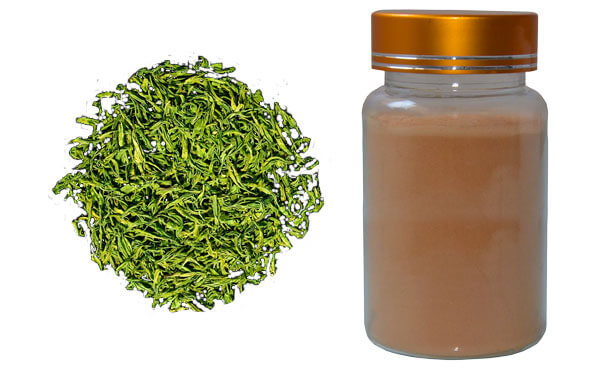
Green tea extract is typically standardized to a certain percentage of polyphenols, and 98% is on the higher end of the spectrum. Polyphenols are the bioactive compounds naturally found in tea leaves, and they include catechins like EGCG (epigallocatechin gallate), which is often the star ingredient in supplement formulations. A 98% polyphenol extract is usually a fine, light yellowish-brown powder with a characteristic tea odor and taste. It's produced through a process that involves hot water extraction, filtration, concentration, and spray drying, often followed by purification steps to reach that high concentration.
One important thing to note is that the "98%" figure can be measured using different methods. UV (ultraviolet) and HPLC (high-performance liquid chromatography) are the two common testing methods, and they can yield different numbers. A product might be listed as 98% polyphenols by UV but contain a different percentage when tested by HPLC. This is why buyers should always ask for a certificate of analysis (COA) that clearly states the testing method used.
Why China Dominates the Supply
China's dominance in green tea extract production isn't accidental. The country has a long history of tea cultivation, and regions like Shaanxi, Zhejiang, Jiangsu, and Anhui have become hubs for botanical extraction. Shaanxi Province alone is responsible for a significant portion of China's herbal extract output, and its concentration of biotech firms makes it a go-to destination for buyers sourcing standardized botanicals. The availability of raw tea leaves, combined with advanced extraction technology and a mature supply chain, allows Chinese suppliers to offer competitive pricing at scale.
Price Ranges and What Affects Them
Pricing for 98% polyphenol green tea extract from Chinese suppliers varies widely depending on quantity, quality, and certification. For wholesale orders in the range of 25 to 499 kilograms, prices can hover around $130 per kilogram, with discounts kicking in for larger volumes. At the lower end, some suppliers offer prices as low as $30 per kilogram for smaller quantities or less stringent specifications. However, if you're looking for higher-purity EGCG alongside the polyphenol content, prices climb significantly—EGCG 98% powder has been trading in the $250 to $330 per kilogram range in recent years.
Several factors influence the final price: the extraction method, the source of the raw material, the level of documentation and certification provided, and the supplier's production capacity. Organic certification, Kosher and Halal certificates, and third-party testing all add to the cost but can be essential for certain markets.
Quality Control and Certifications to Look For
When sourcing from China, quality control is a major consideration. Reputable suppliers typically hold certifications like ISO 9001, ISO 22000, HACCP, and FSSC 22000, which indicate that their production facilities meet international food safety standards. Some suppliers also carry Kosher, Halal, and organic certifications, which are important if you're selling into specific markets.
Beyond certifications, you should look for suppliers who provide complete COAs for each batch, use both HPLC and UV testing methods, and support third-party testing through labs like SGS or CMA/CNAS-accredited facilities. A supplier that's transparent about its testing protocols and can provide documentation in both Chinese and English is generally a safer bet for international buyers.
Applications and Market Demand
The demand for high-purity green tea extract isn't slowing down. The global green tea extract market was valued at around $3.8 billion in 2024, and polyphenol extracts with 98% content are expected to account for a significant share of global shipments. The ingredient is used in dietary supplements, functional foods and beverages, skincare products, and even pharmaceutical applications. EGCG, in particular, is sought after for its antioxidant properties, and high-purity extracts are favored by brands that want to make strong label claims.
Tips for Choosing a Supplier
When evaluating Chinese suppliers, don't just compare headline purity numbers. Ask about the assay method, request samples before committing to a bulk order, and verify that the supplier can meet your destination market's regulatory requirements. Minimum order quantities can range from 1 kilogram for sample orders to 25 kilograms or more for wholesale pricing. It's also worth checking whether the supplier has experience exporting to your region, as this often means they're familiar with the documentation and compliance requirements involved.
China's green tea extract supply chain is mature and competitive, but finding the right partner takes some diligence. By focusing on specifications, testing methods, certifications, and transparent communication, you can secure a reliable source for 98% polyphenol green tea extract that meets your quality and budget needs.