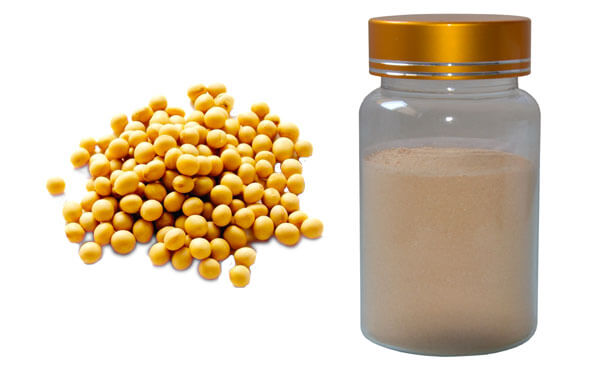
China Supplier Wholesale Soybean Extract 40% Soy Isoflavones HPLC: A Buyer's Checklist
Posted in CategoryGear Discussions Posted in CategoryGear Discussions-
Quality herb 1 week ago
If you're sourcing soy isoflavones for a supplement line, a functional food product, or a cosmetic formulation, you've likely come across the 40% HPLC specification. It's one of the most common standardized grades of soybean extract on the market, and China is where a large share of it originates. But not every 40% specification is created equal, and the gap between a reliable supplier and a problematic one often comes down to details that aren't visible in a price quote. Here's what to pay attention to when evaluating Chinese suppliers of soybean extract.
Why the HPLC Method Matters
The "40% soy isoflavones" figure is a standardization claim, but how that number is arrived at depends entirely on the testing method. HPLC, or high-performance liquid chromatography, is the gold standard for quantifying individual isoflavone compounds—daidzin, glycitin, genistin, daidzein, glycitein, and genistein—and summing them to a total. A UV-based assay, by contrast, can produce inflated numbers because it measures all UV-absorbing compounds, not just the target isoflavones.
When a supplier specifies "40% HPLC," they're usually committing to a more precise and verifiable claim. A typical certificate of analysis from a Chinese manufacturer might show something like 40.42% total isoflavones by HPLC, with individual breakdowns such as 22.90% daidzin, 12.16% glycitin, and 4.64% genistin. Those individual numbers matter because different isoflavones have different bioactivities and potencies. Genistein, for example, is often the most researched compound in the group, while daidzin and genistin are glycoside forms that the body converts into their aglycone counterparts.
China's Position in the Supply Chain
China accounts for roughly 30% of the global soy isoflavones market, according to industry research, and Chinese suppliers are among the key players in the space alongside companies like ADM and Solbar Industries. The country's advantage isn't just scale—it's the vertical integration of soybean cultivation, oil processing, and botanical extraction. Many manufacturers use the pressed seed cake left over from soybean oil production as their raw material, which keeps input costs down and makes the extraction process more efficient.
Domestic suppliers are concentrated in provinces like Shaanxi, Shandong, Jiangsu, and Hebei. Shaanxi in particular has become a hub for botanical extraction, with a dense cluster of companies specializing in standardized herbal ingredients. Some of these suppliers have built long-term relationships with international brands. One Chinese manufacturer, for instance, is described as a core ingredient supplier to brands like Swisse and GNC, focusing on 40% and 80% purity grades with a low-temperature extraction process designed for batch consistency.
What 40% Isoflavones Costs
Pricing for 40% HPLC soybean extract from Chinese suppliers spans a surprisingly wide range. At the low end, some listings show prices around $11 to $13 per kilogram for bulk orders, though these may reflect lower-grade material or less rigorous testing. Mid-range suppliers quote in the $50 to $70 per kilogram range, while higher-end manufacturers with full documentation and certifications often price between $60 and $70 per kilogram at wholesale volumes.
The spread reflects real differences in quality, documentation, and consistency. A supplier offering $12 per kilogram may be selling a product that technically meets the 40% threshold on a UV assay but falls short when tested by HPLC. They may also lack the batch-to-batch traceability that supplement brands need for regulatory compliance. When comparing quotes, it's worth asking whether the price includes a full COA, third-party testing options, and whether the raw material is non-GMO.
Certifications and Documentation to Request
For any wholesale purchase, the documentation package is as important as the product itself. Reputable Chinese suppliers typically hold ISO 9001, ISO 22000, HACCP, and often Kosher and Halal certifications. Some also carry organic certification and non-GMO verification, which are increasingly important for clean-label product development.
A complete certificate of analysis should include the assay method (confirming HPLC), individual isoflavone breakdowns, heavy metal limits (typically under 10 ppm total, with individual limits for arsenic, lead, mercury, and cadmium), microbial counts, and moisture content. Look for suppliers who can provide this in English and who support third-party verification through labs like SGS. A typical COA from a quality-focused manufacturer will specify heavy metals at ≤10 ppm, arsenic at ≤2 ppm, and lead at ≤3 ppm, with total plate counts well under 1,000 cfu/g.
Market Demand and Applications
The global soy isoflavones market was valued at approximately $1.39 billion in 2025 and is projected to reach $2.29 billion by 2034, growing at a compound annual rate of about 5.75%. The demand is driven by several converging trends: an aging population seeking natural support for menopausal symptoms and bone health, growing consumer interest in plant-based functional ingredients, and expanding use in cosmetic formulations targeting skin firmness and hydration.
For buyers, this means 40% HPLC soybean extract isn't a niche ingredient—it's a mainstream one with steady demand across supplements, functional foods, and personal care. The question isn't whether the market needs it, but whether your supplier can deliver it consistently, with the documentation your market requires, at a price that works for your margins.
Final Considerations for Sourcing
When evaluating Chinese suppliers, request samples before committing to a bulk order and test them independently. Ask about minimum order quantities (often 1 kilogram for samples, 25 kilograms for wholesale pricing) and lead times. Confirm whether the supplier can customize specifications if you need a different aglycone-to-glycoside ratio or a lower heavy metal profile. The best supplier relationships are built on transparency and repeat orders, not one-off transactions.
China's soybean extract supply chain is deep and competitive. With the right due diligence, a 40% HPLC specification from a Chinese supplier can be a reliable and cost-effective foundation for your product line.